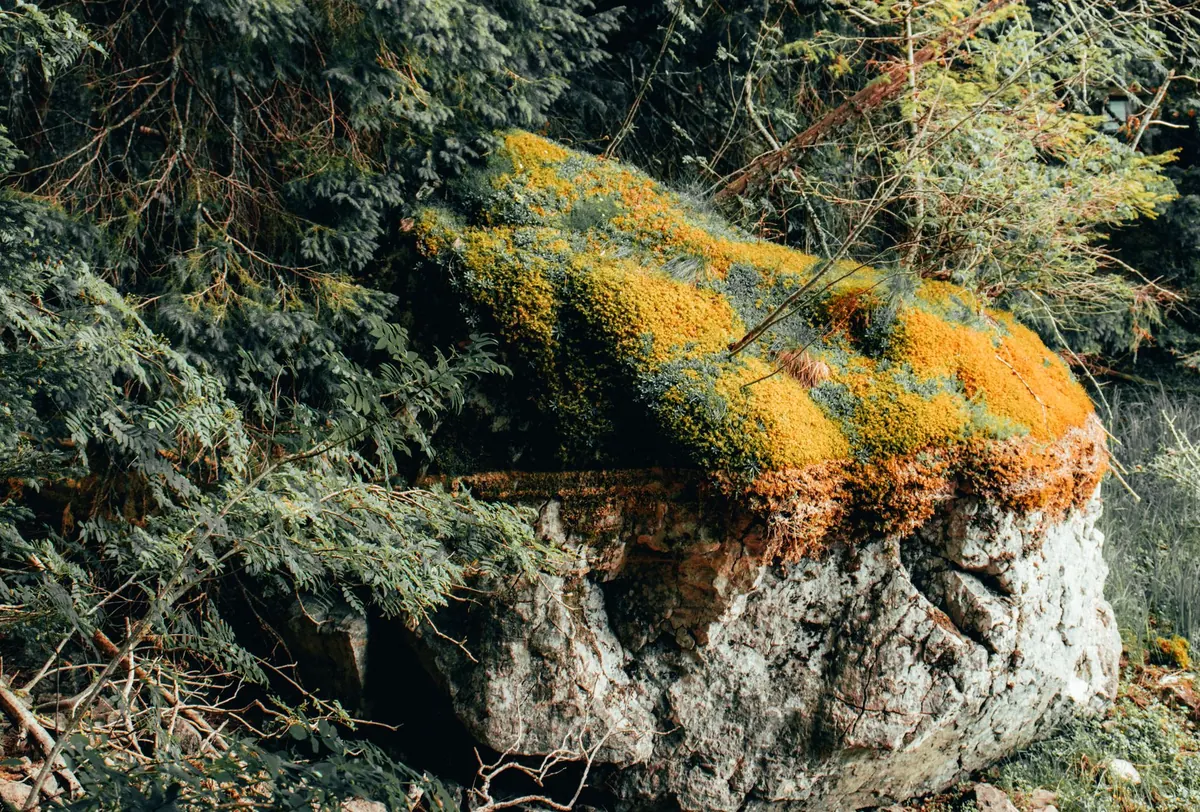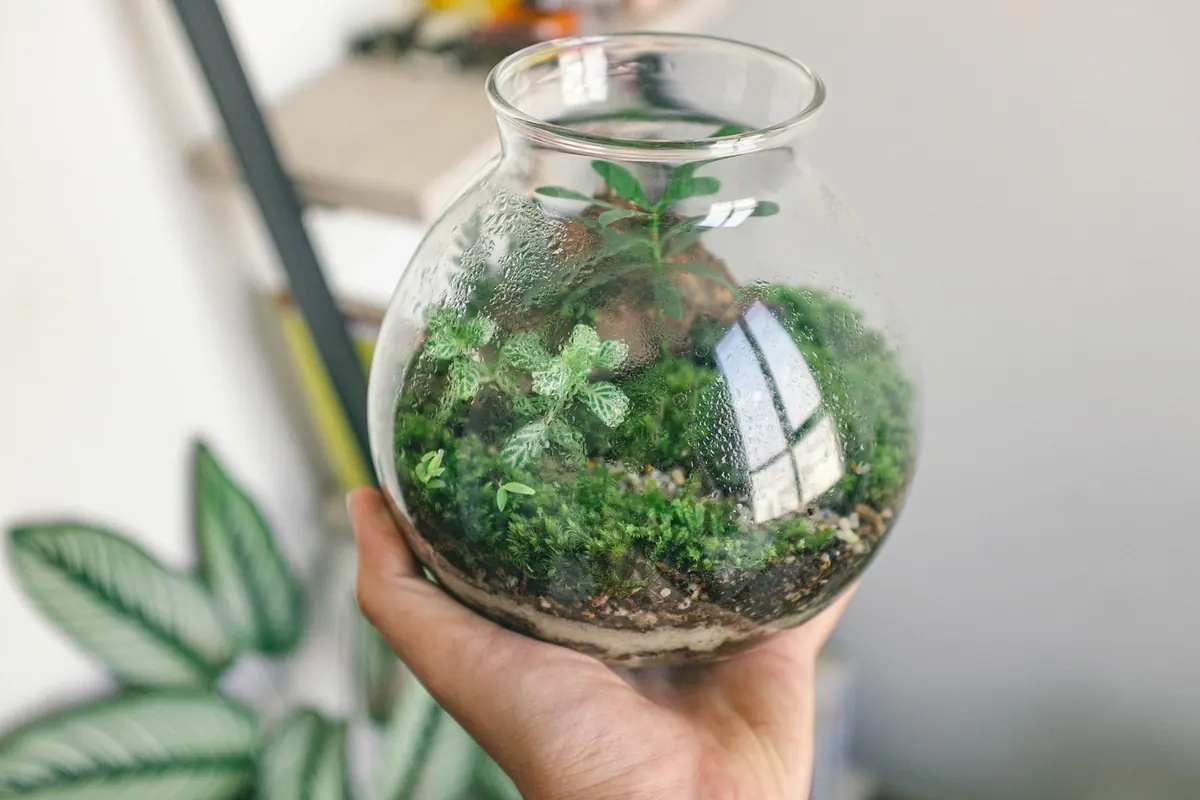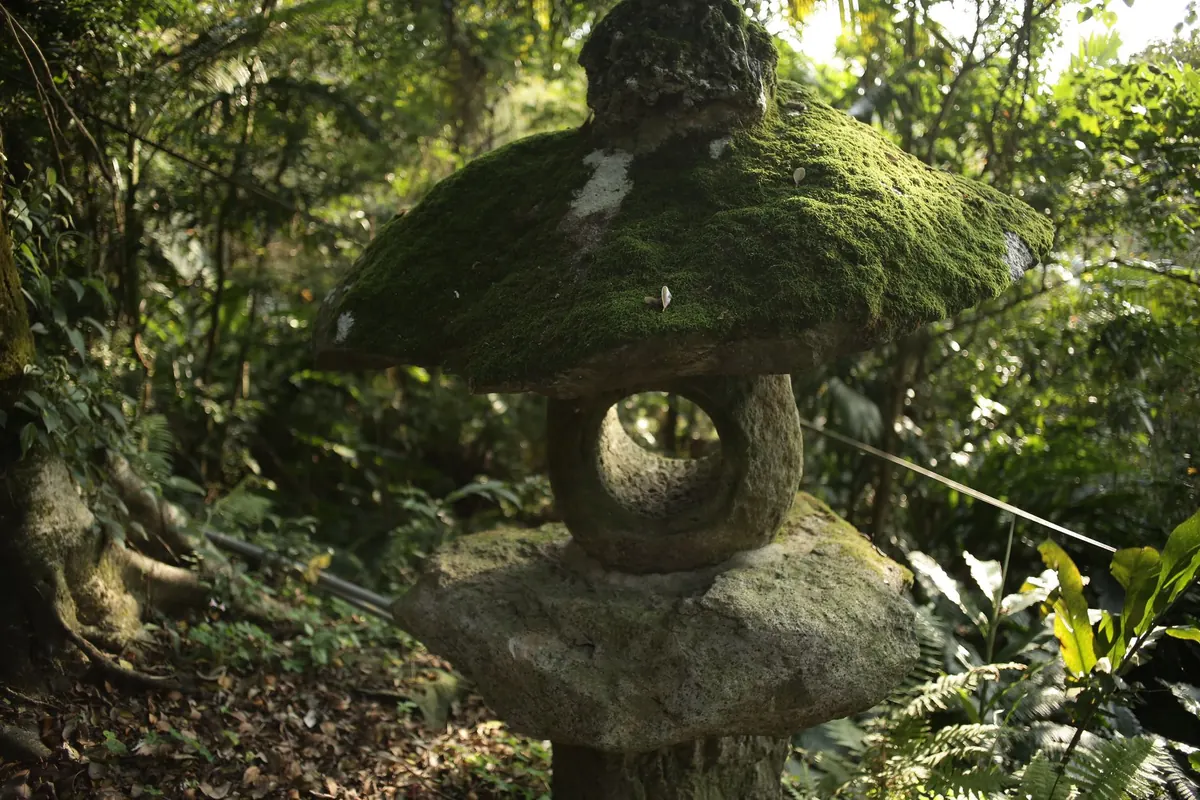
A north-facing garden is not a problem to be solved. For moss, it is close to ideal. Light arrives as a soft, indirect wash rather than a blaze, the soil stays cooler, and evaporation is slow, so surfaces stay damp for long enough to matter. That is the whole trick with moss: water, not sunshine, is usually the limiting factor.
But "shade" covers a lot of ground. A damp north wall that never quite dries is a different proposition from the bone-dry strip under a wide roof overhang. Get that distinction right and the rest of the planting falls into place.
Read your shade before you choose a moss
Three things decide whether a moss will settle: how wet the surface stays, what the surface is made of, and how much competition it faces. Mosses have no roots. They grip with fine rhizoids and take water and nutrients straight through their leaves, which is why watering and surface texture matter far more than feeding.
Acidity counts too. Most woodland mosses in the UK prefer acid to neutral ground, while some of the wall and paving species cope happily with lime-rich mortar. Rather than guessing, look at what is already there. Algae on paving, green cushions in the gutter of a wall, moss creeping up the north side of a shed — those existing patches tell you exactly what your conditions will support.
Ten mosses that thrive in north-facing shade
All ten are common in the UK and can be found growing wild somewhere nearby, which means none of them needs conditions you cannot replicate. Propagate from your own garden or buy from a supplier — never lift moss from nature reserves or protected sites.
- Hypnum cupressiforme (cypress-leaved plait moss) — neat, feathery and the most reliable choice for genuinely dry shade. It skirts tree bases, creeps along shaded walls and knits into carpets where little else will grow.
- Kindbergia praelonga (common feather moss) — loose, bright wefts that spread fast in damp shade. The go-to species for clay soil, north-facing borders and the gaps between paving.
- Thuidium tamariscinum (common tamarisk moss) — finely branched and fern-like, happiest in moist, slightly acid shade with leaf litter around it. Excellent texture beside ferns and heathers.
- Mnium hornum — upright, rosette-forming shoots on damp acid banks and around tree roots. It wants steady moisture and low light, and rewards you with fresh green tips most of the year.
- Plagiomnium undulatum (Hart's-tongue thyme moss) — large, glossy, wavy-leaved and vigorous. Give it room, because it spreads by runners and will happily carpet a whole shaded bed.
- Fissidens taxifolius (common pocket-moss) — tiny, fern-like fronds that colonise bare, damp soil in cracks, under steps and along edging. Slow to notice, quick to spread once it starts.
- Rhytidiadelphus squarrosus (springy turf moss) — the moss of mown lawns. In light shade under deciduous trees it makes a soft, low-maintenance alternative to grass.
- Dicranum scoparium (broom forkmoss) — hummocky, with leaves all swept in one direction. It takes drier spells than most and suits acid soil under birch or oak.
- Leucobryum glaucum (pincushion moss) — pale, grey-green cushions that look almost frosted. Needs acid, damp shade and little competition, so use it as a feature rather than a filler.
- Sphagnum palustre and S. fimbriatum — for the boggy corner where water sits. Permanently wet, acid and shaded, and they will build into a springy, sponge-like mound.
Matching mosses to your kind of shade
Dry shade
Under overhangs, beneath dense conifers, against a wall that never gets rain. Plant Hypnum cupressiforme and Dicranum scoparium, and be prepared to water through dry spells for the first season.
Damp shade
The classic north-facing border on clay or loam. Kindbergia praelonga, Mnium hornum and Fissidens taxifolius will all take hold quickly here, especially where soil is bare.
Deep shade
Under evergreen shrubs and north-facing walls in a narrow garden. Growth is slower and the range is narrower, but Thuidium tamariscinum and Hypnum will manage. Expect patience rather than speed.
Wet or boggy shade
Where drainage is poor and the ground stays saturated. Use Plagiomnium undulatum and Sphagnum species, and keep leaves and silt off them.
Getting moss established in shade
- Clear the area of weeds, grass and thick leaf litter. Moss cannot compete with established plants for light or space.
- Rough up hard surfaces such as stone, concrete or old timber with a stiff brush. Moss needs something to grip.
- Damp the surface thoroughly, then press moss fragments or small clumps into contact with it. Firm contact matters more than depth.
- Water with rainwater where you can. Tap water in hard areas leaves lime deposits and tends to favour algae and weeds over moss.
- Keep it damp, not sodden, for the first few weeks. A gentle mist morning and evening in dry weather is better than one heavy soak.
- Skip the fertiliser. Mosses take what they need from rain and dust, and feeding only encourages the competition.
Keeping it looking good
Shade gardens collect leaves. Rake lightly or use a soft brush, and do it before the leaves mat down and smother the moss underneath. Small amounts of leaf litter are fine — it feeds the moss and the soil beneath — but a solid, wet blanket will kill it off.
Trim back overhanging growth if a border has become too dark, and keep ivy and ground-covering shrubs off moss patches. Where moss spreads onto paths and steps, brush it back: it is beautiful on a wall and treacherous underfoot when wet, so keep the walking line clear.
In frosty weather, stay off moss you are trying to establish. It is brittle when frozen and will tear away from stone or soil in sheets.
Start with a small patch
Pick one square metre — the north side of a shed, the strip along a shaded path, the bare soil under a shrub — and treat that properly. Keep it damp, keep it clear, and watch what happens over a season. Once a patch has settled, it spreads on its own into the surrounding shade, and you can take fragments from it to start the next one. That is how most moss gardens in the UK actually begin: quietly, in the corner nobody else wanted.
Photo: mingche lee / Pexels