Sphagnum, sheet moss and cushion moss arrive looking similarly green and soft, often with the same vague label: suitable for terrariums. They are not interchangeable. Put the wrong one in a sealed jar and it will rot; put another on an open shelf and it will crisp up within a fortnight. The difference comes down to how much water each moss wants, how quickly it grows, and how much air it tolerates moving around its leaves.
Here is how each behaves in real conditions, and which lid — or lack of one — suits it best.
The three mosses at a glance
- Sphagnum — a bog moss that drinks greedily and grows fastest of the three. Best in closed, humid terrariums.
- Sheet moss — flat, feathery and carpet-forming. The most forgiving all-rounder, happy in open and semi-closed set-ups.
- Cushion moss — rounded, sculptural hummocks that grow slowly. Suits open terrariums with well-drained, acidic substrate.
Sphagnum: thirsty, fast, happiest behind glass
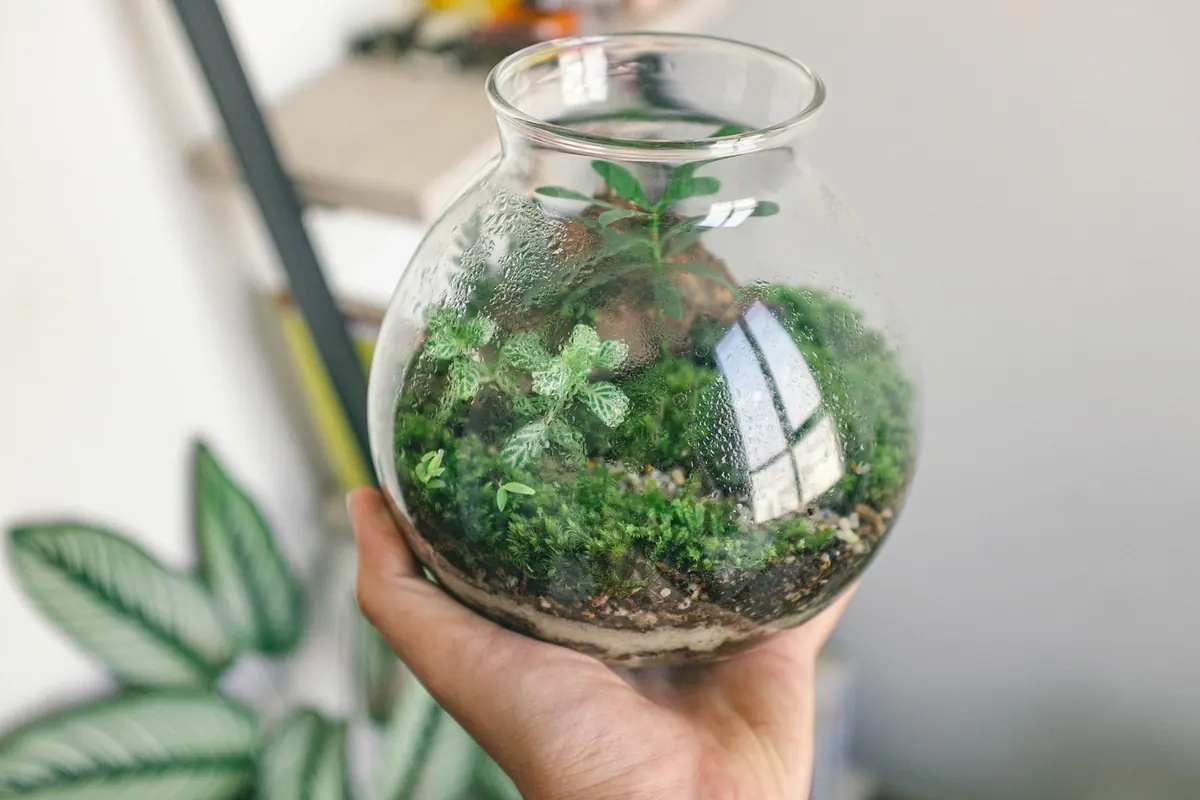
Live sphagnum is a bog plant, and it behaves like one. Its leaves are packed with large, empty cells that soak up water, which is why a handful feels so heavy. In a closed terrarium that is exactly what you want: the sealed environment keeps humidity high, the moss stays plump, and condensation on the glass does most of the watering for you.
It is also the quickest of the three to fill space. Given bright, indirect light and steady moisture, it creeps outwards across the substrate, forming a textured mound that eventually swallows small stones and slow-growing companions. Keep scissors handy. Trimming sphagnum is normal maintenance, not a sign that something has gone wrong, and the offcuts can be pressed into bare patches elsewhere.
Two cautions. Dried long-fibre sphagnum sold for substrate mixes is dead material — useful for holding moisture in a soil blend, but it will not turn green and grow. Buy live moss if you want a living carpet. And avoid tap water in hard-water areas; the calcium leaves a crust on the leaves. Rainwater or filtered water is better.
Sheet moss: the dependable carpet
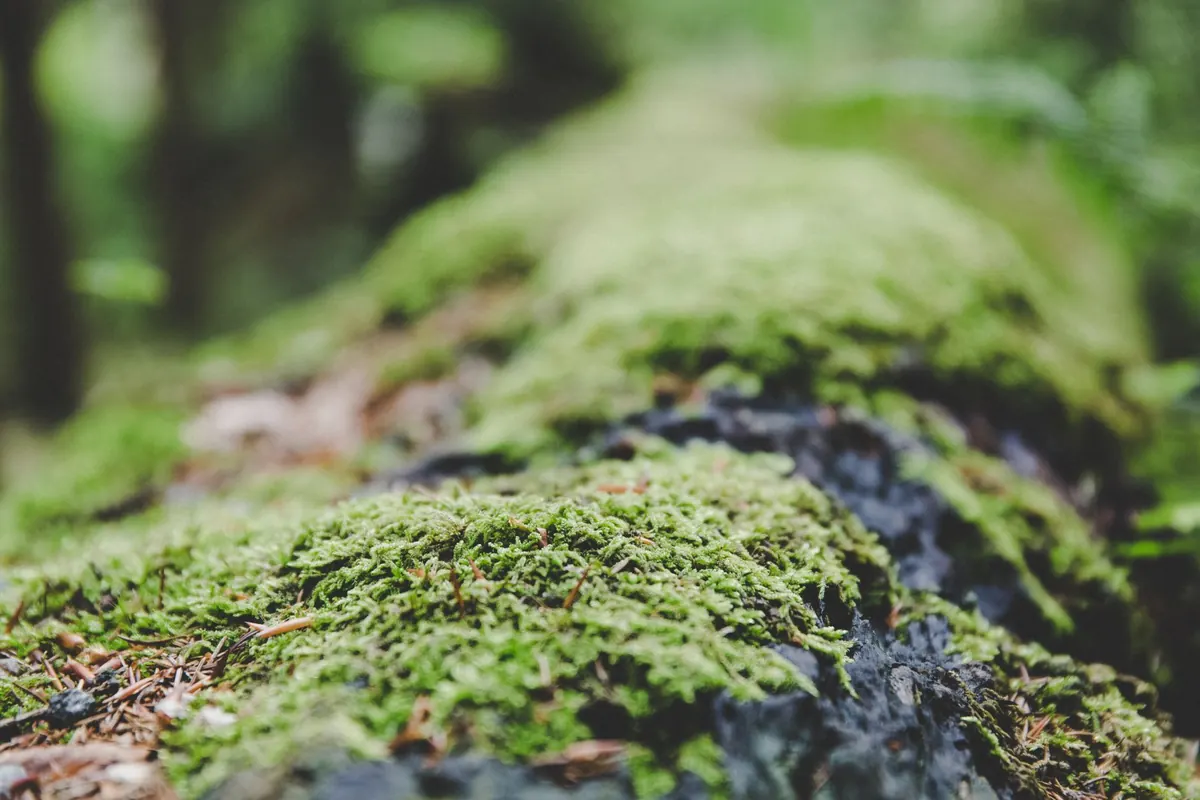
Sheet moss, usually a Hypnum species, grows flat rather than up. It peels away from walls and paving in thin sheets, held down by fine rhizoids rather than deep roots, which makes it easy to press onto cork, rock or compost. Contact is everything: leave a sheet lifted at the edges and it will dry and curl.
This is the moss I recommend most often to beginners, because it shrugs off a wider range of conditions. It copes with the intermittent misting of an open terrarium and with the steady humidity of a lidded one. It does not enjoy sitting in water, however. In a closed jar, water sparingly and let the surface dry slightly between drinks, or mould will find it before it has a chance to establish.
Growth is moderate. You will not be trimming it every month, but a healthy patch will knit together over a season and hide the joins between individual sheets.
Cushion moss: slow, sculptural, easy to overwater
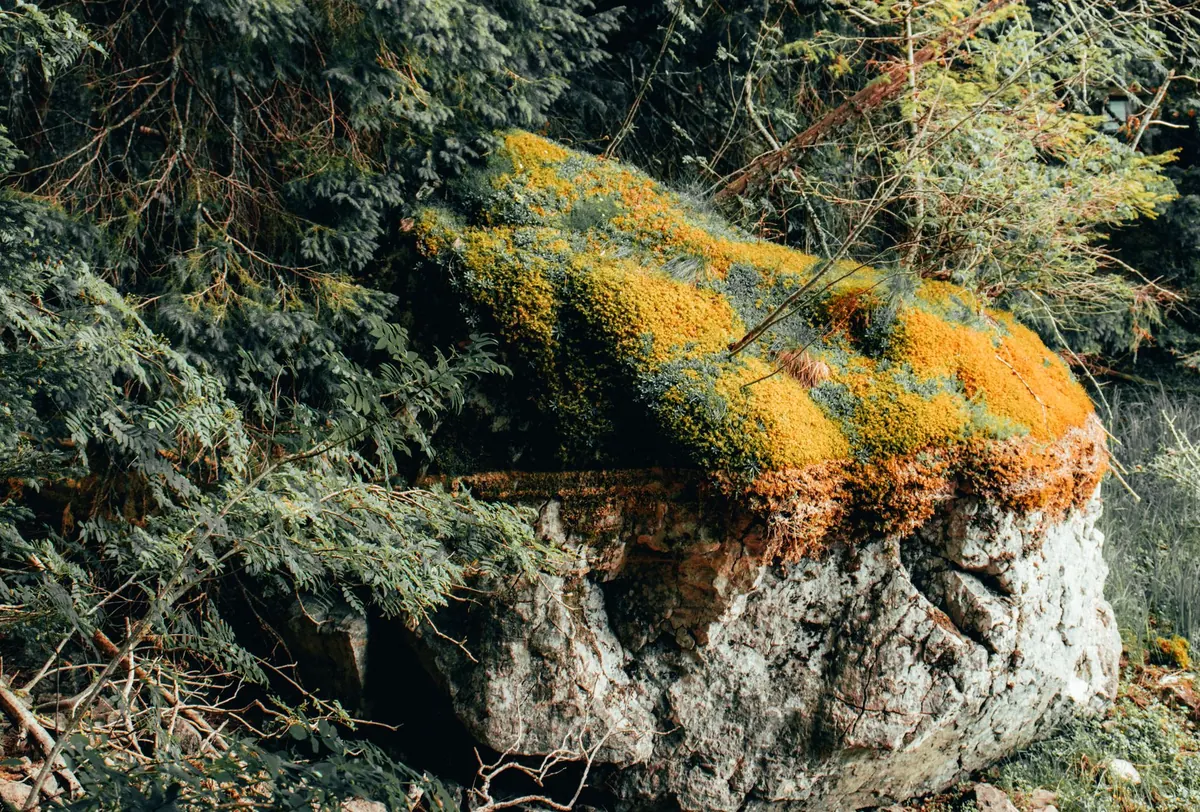
Cushion moss, Leucobryum glaucum, is the odd one out. It builds rounded hummocks, pale and silvery when dry, brighter green when damp, and it looks like something placed deliberately rather than something that simply happened. That sculptural quality is its main appeal in an open terrarium, where a single mound can act as a focal point among gravel and small ferns.
It is slow. A hummock that fits in your palm may take years to double in size, so buy the size you actually want rather than expecting it to spread. It also dislikes being wet at the base, where rot sets in quietly and shows up as a hollow brown core long after the damage is done. Plant it in a gritty, free-draining mix with a little ericaceous compost, and water around the edges of the container rather than over the moss itself.
One ethical note: cushion moss is uncommon in parts of the UK and is sometimes stripped from the wild. Buy from a reputable supplier, or lift small pieces from your own garden if you garden on acid soil.
Closed versus open: matching moss to lid
- Closed terrarium: live sphagnum first, sheet moss second. Both enjoy high humidity. Wipe the glass if condensation stays heavy all day, and open the lid briefly now and then.
- Open terrarium: cushion moss and sheet moss. Mist once or twice a week and let the surface dry between waterings.
- Open terrarium with daily attention: sphagnum can work in a deep, water-retentive bowl, but expect to top up moisture often.
Care notes that apply to all three
Light should be bright but indirect. A sealed jar on a sunny windowsill becomes an oven by mid-afternoon, and cooked moss does not come back. Aim for a consistent twelve hours or so of gentle light and rotate the container weekly so growth stays even.
Use rainwater or filtered water where you can. Do not fertilise. Mosses take up nutrients from dust and water at very low concentrations, and feeding only encourages algae, mould and leggy growth in whatever else you have planted.
Air matters more than most guides admit. Closed terrariums benefit from a brief lid-off session every week or two, and a small population of springtails will deal with mould spores and decaying plant matter before they become a problem.
A practical starting point
If you are planting your first lidded jar, begin with live sphagnum and a couple of robust tropical plants. If your first attempt is an open bowl, press sheet moss over a rock and add one cushion moss hummock as a centrepiece. Plant small, keep the substrate damp rather than sodden, and give it three or four weeks before deciding whether it has worked. Mosses settle slowly, then all at once.
Photo: Huy Phan / Pexels